SHIPPED
I built a website that acts as the front door to my UX/UI learning program

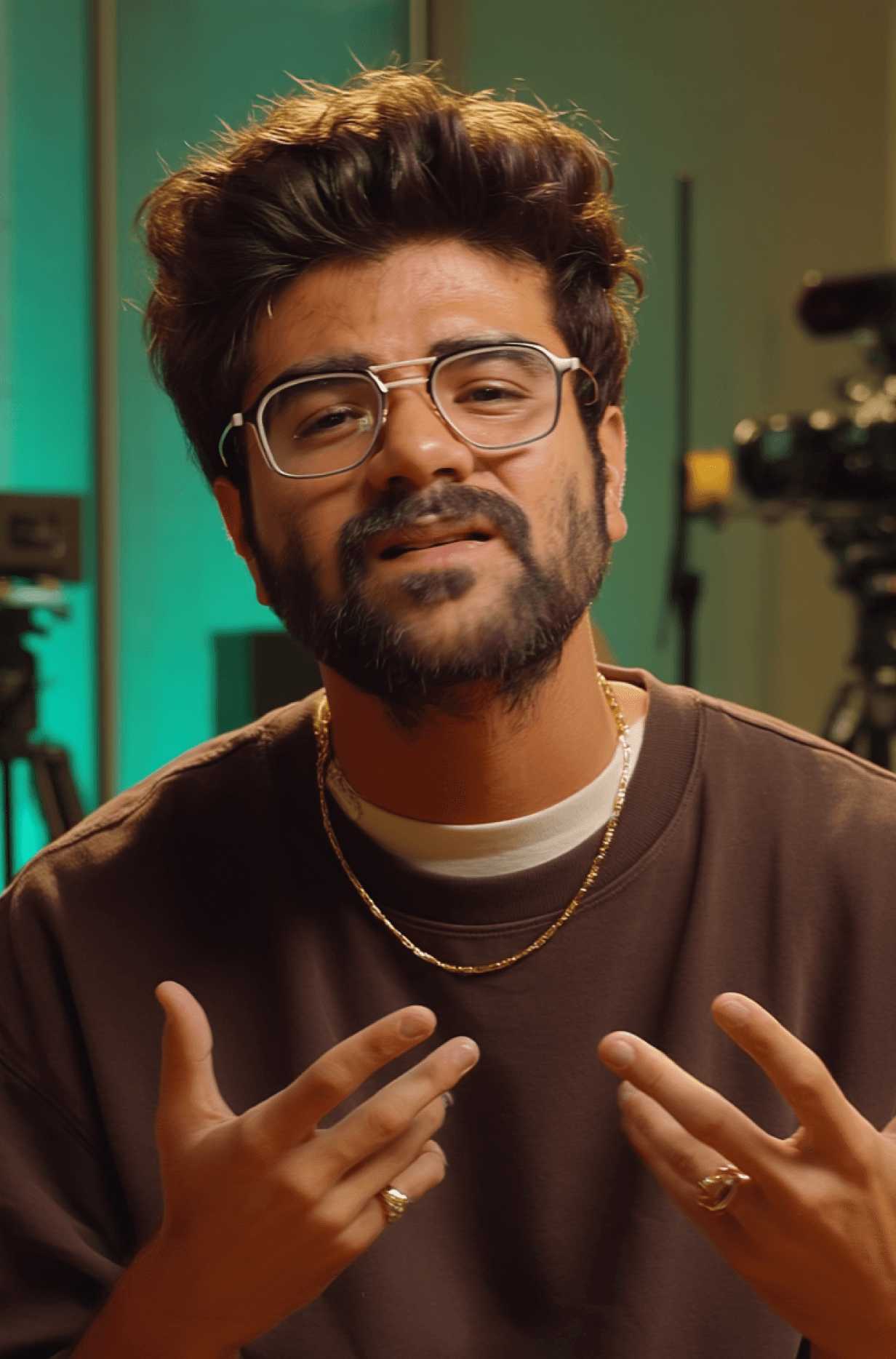
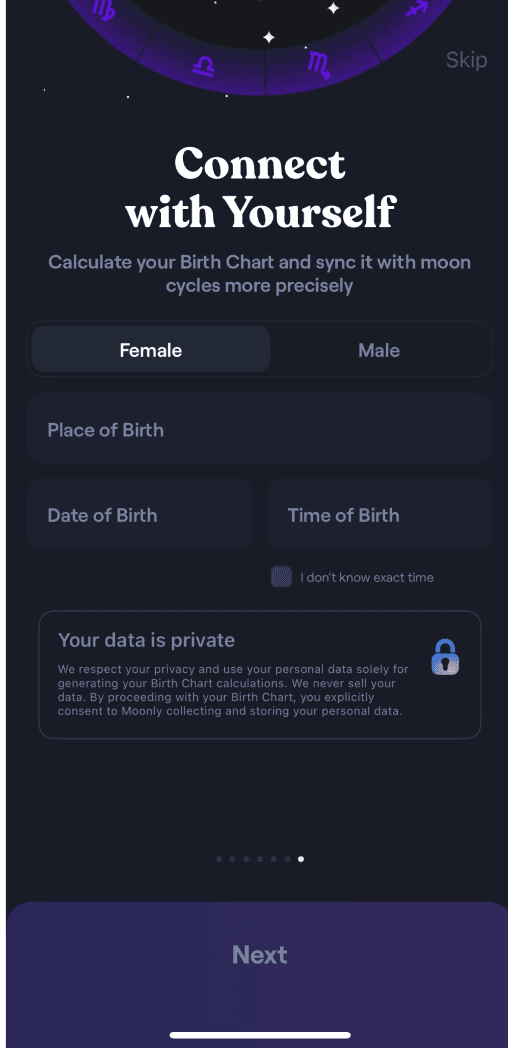
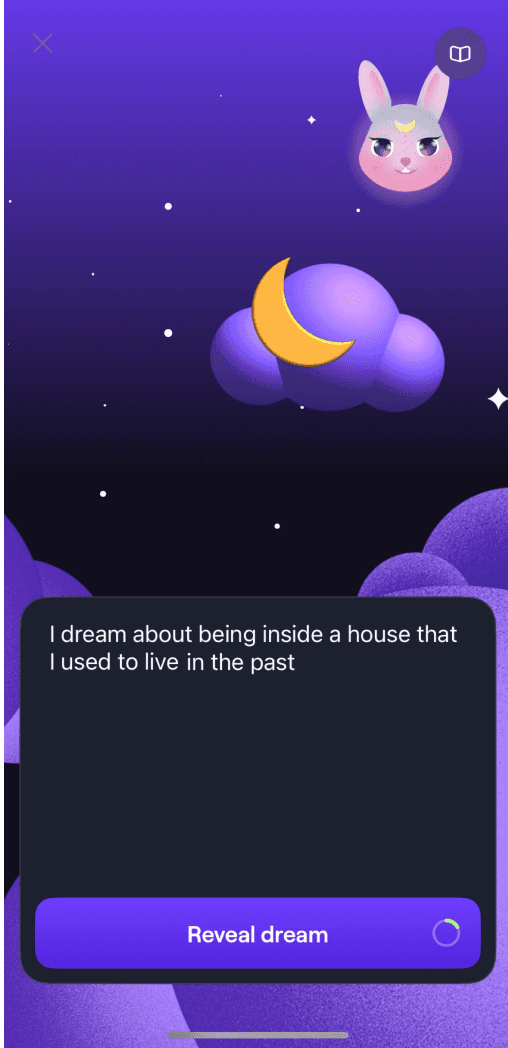
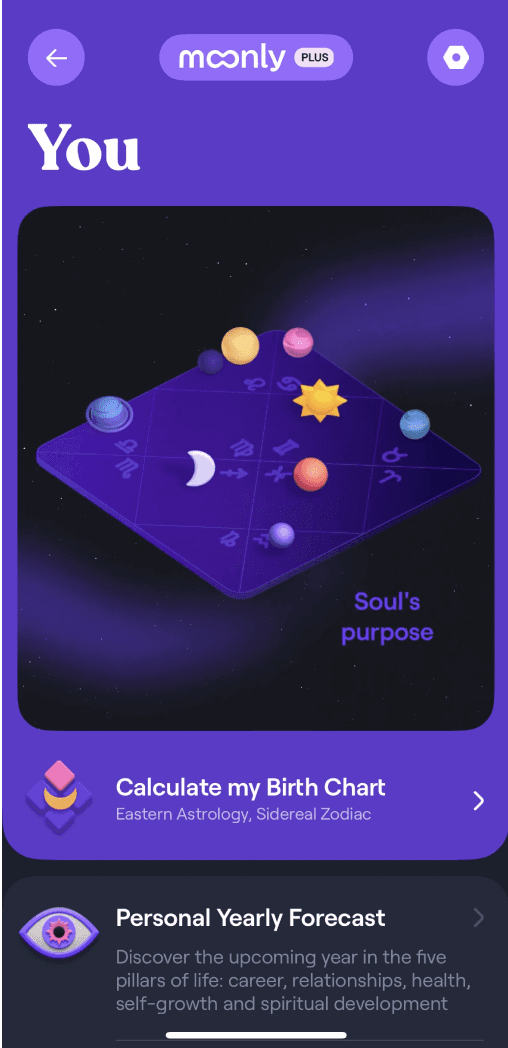
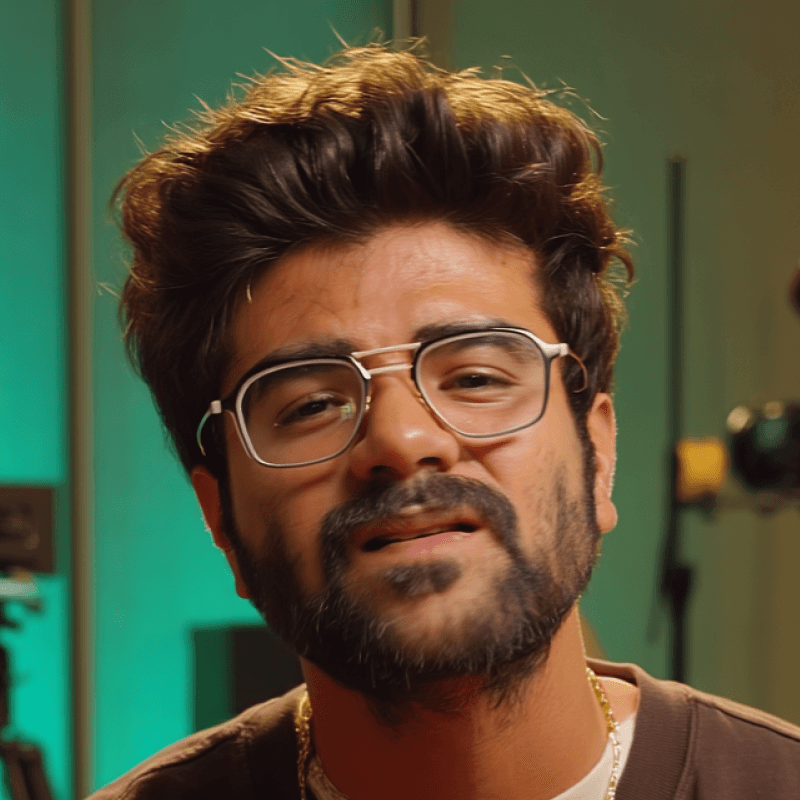



This wasn’t just a landing page project. The site had to explain what I teach, show how it’s different from every other design course, build trust, and guide visitors into becoming students.
The end result is this site. But the process wasn’t just about visuals, it started way earlier, with research, strategy, and figuring out if this course even needed to exist.
PRODUCT
Website
TIMELINE
Q2 2023 - Q2 2024
MY ROLE
Sole Designer
Product Design
Website Design
Strategy & Execution
ARR
10,000,00 RPS
ARR
10,000,00 RPS
STUDENTS ENROLLED
100+
PLACEMENT RATE
90%
Why I started this?
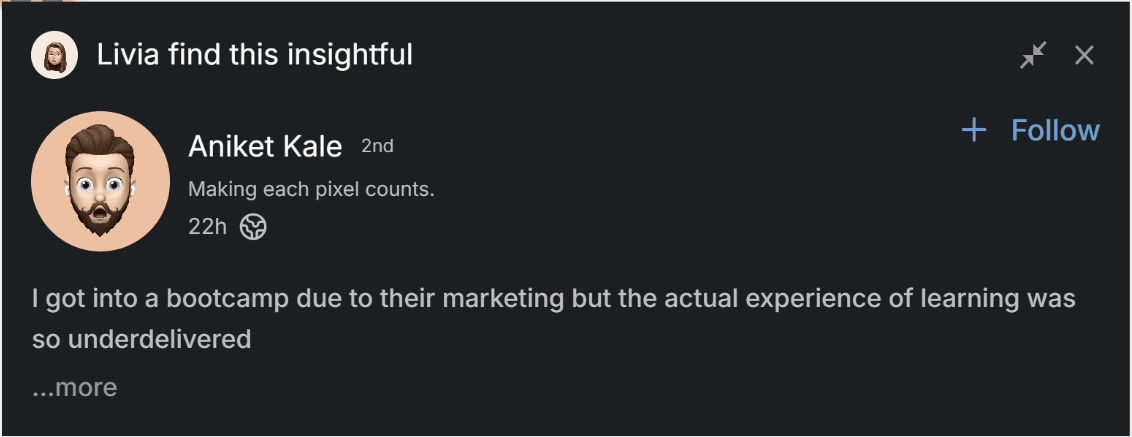
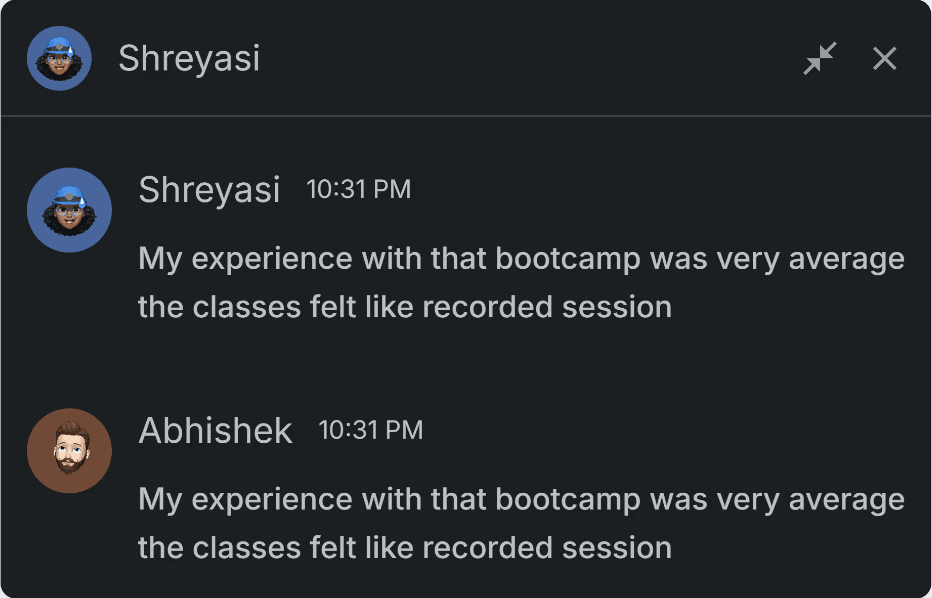
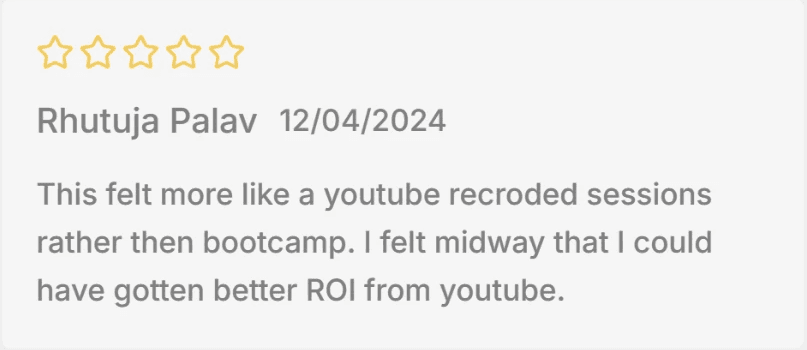
This whole thing started because of what I kept seeing on LinkedIn. Students were spending a lot of money on bootcamps and online programs, yet when they shared their portfolios, their work looked basic. Their case studies were weak, their design thinking wasn’t strong, and many of them still struggled to land jobs.
It wasn’t their fault. They were trying. The problem was that the courses they joined were not teaching them properly. No real feedback, no sense of community, no placement guidance. Watching this over and over was frustrating, and it made me want to create a better way.
That’s when I started my own program. At first it was only about UI and UX, but the new redesign now expands it to cover Framer, React, CSS, and HTML.
Shreyasi
Shreyasi
10:31 PM
Abhishek
10:31 PM

2nd
…more
Rhutuja Palav
12/04/2024
The Problem


Mapping the Student Journey
I interviewed 42 plus aspiring and junior designers to better understand where current UX education is failing learners. What we heard repeatedly shaped the course and the redesign.
Major issues
Low awareness of what good UX education looks like
Most students believed paying for a course meant they would be job ready. The reality hit after rejections. Portfolios and case studies were often surface level and did not match employer expectations.
Scattered, low quality learning resources
Students were bouncing between YouTube clips, MOOCs, and expensive bootcamps. There was lots of content but no structure, no feedback loop, and no clear progression to build real skills.
Low awareness of what good UX education looks like
Most students believed paying for a course meant they would be job ready. The reality hit after rejections. Portfolios and case studies were often surface level and did not match employer expectations.
Aspiring Designer
Junior Designer
At this point I stopped thinking like "just a designer" and started thinking like a product manager. If this was a product, what was its vision, strategy, and roadmap?
Product Vision
A program that transforms motivated learners into job-ready designers with mentorship, community, and technical skills.
Product Strategy
Focus on student needs (mentorship, community, technical edge), study the market (bootcamps, MOOCs, YouTube), and stand out with live sessions, Discord support, and coding modules.




PHASE 1
Launch live UI/UX program with mentorship and community.
Core Coding Sessions
Keep it consistent. Build flexible, scalable design systems that make every project smoother and easier to manage.
PHASE 2
Redesign website and introduce coding modules (Framer, HTML, CSS, React).
From Strategy to Design Features
Translating product goals into design features was one of those moments where the product and UX roles blended together:
Funnel Design
Users move from awareness of their pain points to seeing proof to signing up without friction.


Course Modules Section
Clear split between design fundamentals and new coding modules so students know exactly what they’re getting.

Proof Section
Success stories and placement stats up front to build trust.
Results and Next Steps
Within 1 year of establishing the Academy
Students trained so far.
Placement success rate.
New redesign introduces coding modules to give students an extra edge.
Next step is to roll out an LMS while keeping the live mentorship and community at the core.